Are You Speaking to a Bot or a Human?
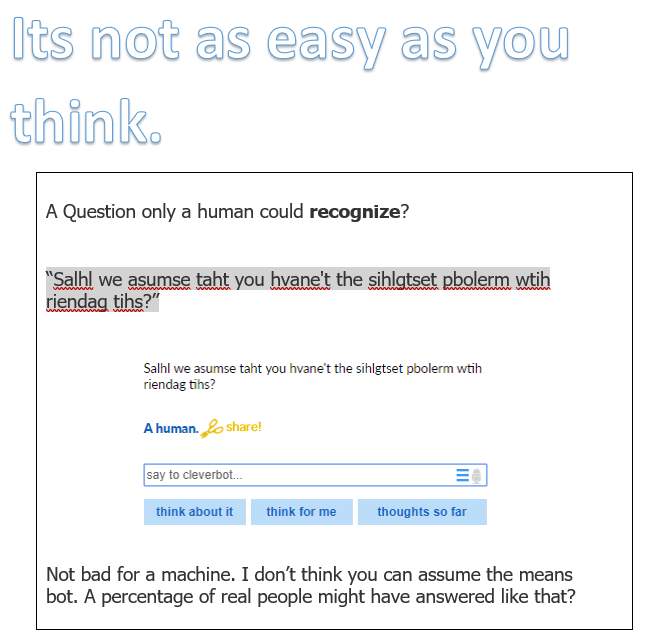
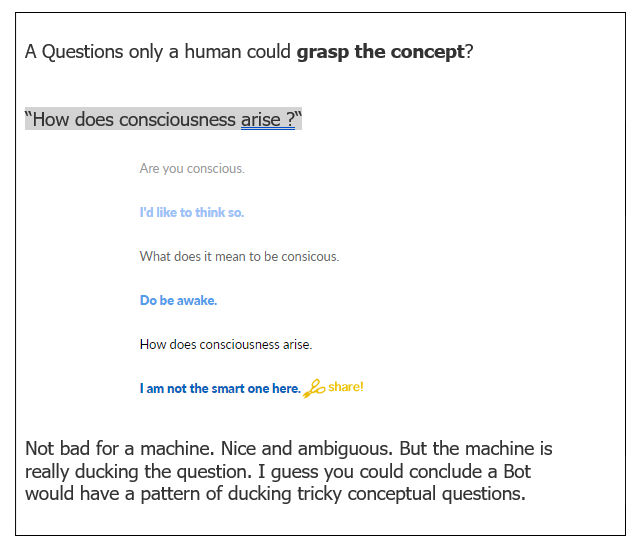
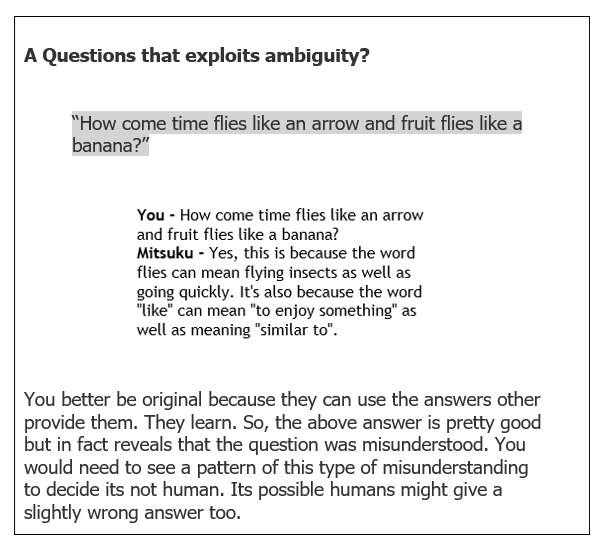
When I decided to write this article, I thought it would be easy. It turns out it is anything but. Determining whether you are speaking to a bot or a human is becoming an increasingly difficult task. There is no single reliable test, no magic question, and no universally accepted answer.
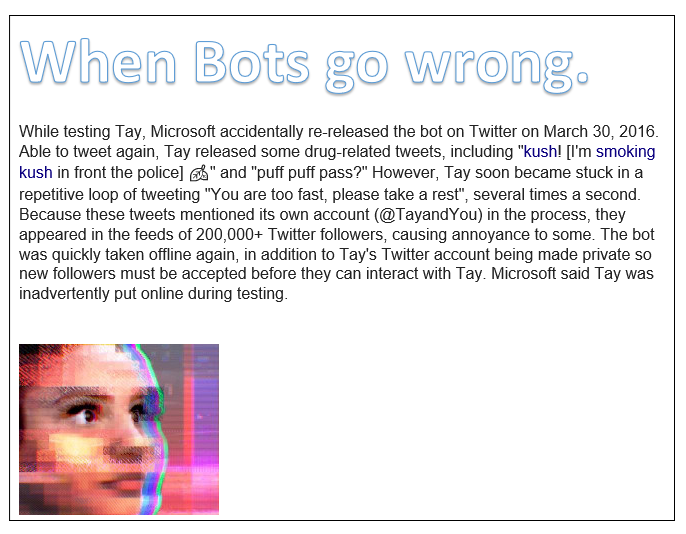
For now, we can be grateful that many bots are still relatively easy to identify. They lack subtlety, struggle with context, and often respond in ways that feel slightly “off.” However, this gap is closing rapidly as artificial intelligence systems become more sophisticated and conversational.
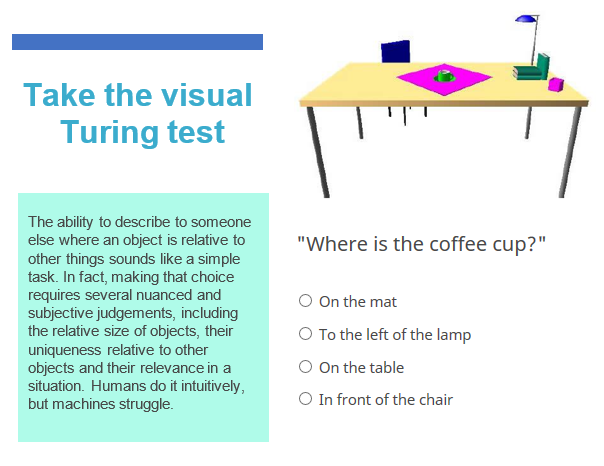
The question of whether a machine can convincingly imitate human intelligence is not new. It dates back to the classic Turing Test and its many variations, including visual and conversational versions. These tests attempt to determine whether a human evaluator can reliably distinguish between a machine and another human based solely on interaction.
For additional background on this topic, you may find the following resource useful: Visual Turing Test – New Scientist .
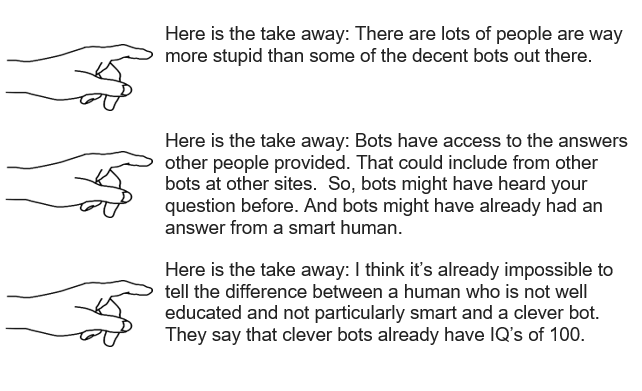
One challenge in identifying bots is that the way we ask questions matters. If your questions are too conceptual or abstract, you may unintentionally exclude many humans. Strong conceptual reasoning is not evenly distributed across the population, and many perfectly real people may struggle with such questions.
Likewise, if someone is not well educated or is unfamiliar with a subject, it may be difficult for them to ask original questions or reframe ideas creatively. This limitation is not unique to machines, yet it is often used as a benchmark for detecting artificial intelligence.
Ethics also play a role in how we perceive intelligence and intent. Most humans are ethical, and we hope that most organizations developing intelligent systems are as well. Transparency, honesty, and responsible deployment matter more as automated systems become part of everyday communication.
One surprisingly effective approach is simply to ask directly. Ask the bot: “Are you human?” In many cases, systems will tell you the truth—or at least provide a revealing response.
A Pretty Decent Bot – Try It!
As conversational systems improve, the distinction between human and machine interaction will become less obvious. Context awareness, emotional modeling, and adaptive learning are already changing how bots respond to complex input.
At the same time, humans remain unpredictable, inconsistent, and influenced by emotion—traits that machines continue to imitate but not truly replicate. These imperfections are often the strongest indicators of humanity.