Inspiring Battery Thoughts/Innovations
Inspiring Battery Thoughts/Innovations
This page is a curated set of battery technology notes and reference links. It is intended for readers who want to track ideas and innovations that may impact the future of energy storage across vehicles, industrial systems, and IoT applications.
The content below includes short observations and external references. When reviewing these topics, always confirm the original source details (dates, product availability, and technical specifications) directly with the referenced publisher or manufacturer, as technology roadmaps and timelines can change over time.
The images and excerpts included below are preserved from the existing page content and organized with additional headings so the page is easier to scan and more searchable.
Selected Battery Concepts and Examples

Toyota's new solid-state battery could make its way to cars by 2020
Toyota is touting its progress on a new kind of battery technology, which uses a solid electrolyte instead of the conventional semi-liquid version used in today's lithium-ion batteries
Solid-state concepts are frequently discussed because they may offer differences in electrolyte behavior compared to conventional lithium-ion approaches. In practice, engineering challenges can include manufacturing scale-up, long-term durability, and performance under real operating conditions. Readers should treat timelines as directional unless confirmed by current primary sources.
A Bendable Lithium-ion Battery for IoT, Wearables:
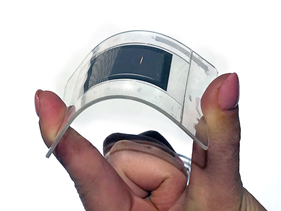
Panasonic's bendable battery, which is just 0.45 millimeter thick, is relatively low capacity. The largest version, known as CG-064065, has a maximum capacity of 60 milliampere hours (mAh), and the smallest comes in at 17.5 mAh. For comparison, the largest smartphone batteries boast around 3,500 mAh.
Bendable and form-factor-optimized batteries are often relevant to IoT and wearable applications where mechanical design, packaging, and device ergonomics can be as important as total capacity. In these use cases, trade-offs frequently involve capacity, durability under flexing, charging constraints, and the safety profile required for consumer-facing products.
Source link (external): https://spectrum.ieee.org/ces-2017-panasonic-shows-off-bendable-lithiumion-battery-for-iot-wearables
When using external links as technical references, it is good practice to capture the publication date and confirm whether the referenced product is still available, renamed, or superseded. This helps ensure documentation remains accurate and reduces confusion for future readers.
How to Think About Battery “Innovation” in Practice
Battery announcements often highlight one attribute (for example, energy density, charging time, safety, cost, or form factor), but real-world adoption typically depends on multiple factors simultaneously. In many engineering contexts, the most important questions are whether a technology can be manufactured reliably at scale, how it behaves over a long lifecycle, and how it performs across temperature and load variations.
For industrial automation and embedded systems, battery selection is often constrained by operating environment, maintenance model, safety requirements, and enclosure/space limitations. Even modest improvements in form factor or lifecycle can matter if they reduce service calls, improve uptime, or enable new device designs.
This page is intentionally a lightweight “idea capture” style article. If you want Chipkin to expand it further, a typical next step would be to add additional referenced examples, categorize them by application (EV, grid storage, IoT/wearables), and include a short “engineering takeaways” section for each reference.
FAQ: Battery Innovations and References
This FAQ is included to improve AI searchability and to provide quick clarification for readers reviewing battery innovation notes.
What is the purpose of this page?
This page is a curated collection of battery-related notes, images, and external references intended to capture ideas and examples of battery innovation.
Does this page confirm product availability or timelines?
No. Technology timelines and availability can change. Readers should confirm current status directly with the original publisher or manufacturer.
Why do many “new battery” announcements take years to reach products?
Moving from a promising concept to a shipping product often requires manufacturing scale-up, long-term reliability testing, safety validation, and supply chain readiness.
Why are bendable batteries relevant to IoT and wearables?
In small devices, mechanical packaging and form factor can be critical constraints. Bendable batteries may enable new designs, but typically involve trade-offs such as capacity and durability.
How should I use the external links on this page?
Use them as starting points for research. For engineering or procurement decisions, capture publication dates and verify that the referenced products and specifications are still current.


